Layer-Stacking Handbook: Styling a Godspeed Shirt Piece Across the Changing Seasons
A well-made shirt ought not to be put away the second the temperature dips or surges. It needs to adapt to your day, layered under outerwear in the cold months and unbuttoned over a tank when summer arrives. With that adaptability in mind, the brand designed its shirts so the same piece could anchor both a cold-season look and a summer one without any seasonal mismatch. This guide walks through how to layer a Godspeed shirt across four seasons, what to pair it with, and why the design choices behind it make that versatility possible.
Before diving into how to style it season by season, it’s worth understanding where the name comes from. Godspeed as a term carries centuries of meaning — it was traditionally said to a person beginning a journey, a wish for safe and swift passage. That feeling of momentum — of setting off and moving ahead — is woven into the brand’s core identity. Which means when someone asks what Godspeed stands for as a label, the answer is rooted in that spirit: clothes designed to accompany you across seasons, cities, and years, without wearing out or being forgotten in the closet.
Why Layering Matters for a Shirt Like This
Layering goes beyond simply keeping warm. It’s really about squeezing more use from fewer pieces — a more sustainable and budget-friendly approach to building a wardrobe. One godspeed shirt alone can serve as an outer layer in April, a mid-layer come November, and a standalone piece in July — provided the fabric and cut are thoughtful enough to permit it. Shirts made from cotton breathe easily www.godclothing.org/shorts-sweatpants against the body, making them a solid base-layer choice even in cold conditions — trapped heat beneath a jacket needs an outlet.
The cut of the shirt is another factor. A slightly relaxed fit leaves room to layer a tee underneath without the shirt pulling tight across the shoulders. A trimmer cut performs better as an outer layer worn over a fitted long-sleeve. Since your layering approach depends on which fit category the shirt falls under, it’s worth checking the fit description when buying rather than judging from the photo alone.
The third factor is fabric weight. Lighter weaves suit spring and summer layering because they don’t add bulk. Heavier weaves — usually made with a denser cotton blend — keep their shape better under a coat and resist crushing, which counts for a lot if you’re wearing one under outerwear for eight or nine hours on a workday.
Springtime: A In-Between Sweet Zone
In many ways, spring counts as the most forgiving season for shirt styling, but it’s also the time of year in which most people stumble by dressing too heavy or too light.
Mornings in March and April can hover within a span of 8°C to 15°C depending on where you are, before it then jump by 6-8 degrees come afternoon.
Given that fluctuation, building an outfit in layers proves essential here.
Kick things off with the godspeed shirt as your middle layer. For the cool morning commute, a lightweight jacket or overshirt layers on top, then comes off by midday when the temperature climbs. Underneath, a plain fitted tee adds a small buffer without bulk. With this three-piece system — tee, shirt, jacket — you’re able to peel off pieces as temperatures rise, instead of sweating through one heavy piece.
- Roll the shirt sleeves up to the forearm the moment the jacket gets taken off; it signals a deliberate style choice rather than merely “shedding a layer.”
- Keep the uppermost two buttons undone if the shirt comes with a collar, especially once styled without outerwear.
- Match with straight-leg jeans or light chinos — both breathe better than bulkier cold-weather trousers.
Summer: Wearing It Solo
When June rolls around, the layering dilemma reverses. The garment stops being a mid-layer and becomes the whole look. This is where the choice of fabric shows its value most obviously — a stiff, heavy weave will feel heavy and suffocating at 30°C, while a breathable cotton shirt from the godspeed shirts range keeps its shape without letting heat build up.
Cuffed long-sleeves are just as viable as short-sleeve styles, which are well-suited for the height of summer — the long-sleeve option simply adds protection on the forearms for daytime activity.
Worn loose at the waist, not too fitted, worn over shorts or lightweight trousers — here is the shirt in its easiest, most casual state.
No jacket enters the equation, nothing in between to plan around, only the shirt plus whatever’s worn beneath, which for most people in summer means absolutely nothing beyond the shirt itself.
A no-nonsense note worth noting: summer wears down fabric due to perspiration, sun exposure, and increased wash frequency. Cycle through a minimum of two to three shirts across the warmest stretch of the year so no single piece is washed so frequently, thereby extending its longevity by quite a margin.
This Autumn: Reintroducing the Layered Pieces
The Row Handbags: An Investment Piece Worth the Wait

Shoppers researching the row understand quickly that this is not a brand built for impulse buying. It’s built for people who want one exceptional object that outlasts trend cycles entirely. The Row has built its reputation on restraint, and while much of the fashion industry chases seasonal trends, this brand, founded by Mary-Kate and Ashley Olsen, has spent nearly two decades refining a handful of silhouettes rather than chasing novelty—an approach that has turned The Row bags into something closer to modern heirlooms than fashion accessories.
Understanding why these pieces command such loyalty requires looking past the price tags and into the construction, material sourcing, and design philosophy that sets row handbags apart from nearly everything else on the market. This article breaks down what makes them worth the wait, which styles matter most, and where you can actually find them.
Behind The Row’s Bags and Their Devoted Following
Every single bag in the current the row bags overview exhibits a few steady traits: sparing hardware, softly structured silhouettes, and leather that’s been sourced and tanned with an exceptional level of care. The brand is notably sparing with adornment — no exposed branding marks, no flashy labeling, no passing fads. This styling philosophy has made row bags a favorite among stylists, editors, and collectors who favor longevity over recognizability.
Some of the draw lies in limited availability. The Row produces far smaller quantities than most luxury houses, and certain styles sell out within days of restocking. This isn’t manufactured hype; it reflects genuinely limited production runs tied to specialized ateliers in Italy. For the most sought-after shapes, particularly among neutrals such as ecru, black, and taupe, customers often note delays lasting several months.
Don’t overlook the secondary market here. Several top row bags — such as early Margaux and Sideby designs — have shown solid saint laurent shoulder bag holding of value compared to other high-end handbag lines, with a handful of styles reselling at or above original retail during year one. Few pieces manage that, which suggests true demand is at play rather than fleeting speculation.
Discover the Standout Styles— Margaux, Sideby, and the Tote
The Margaux is arguably the brand’s most iconic silhouette, praised for its relaxed shape and the manner in which it shapes itself around the contours of everyday wear. It’s offered across a range of sizes, which lets it work as both an everyday, crossbody-leaning carryall and a pared-down evening choice according to which iteration you pick. People regularly inquire where to buy the row margaux bag, since availability shifts constantly between the brand’s own e-commerce site and a small number of authorized luxury retailers.
A further standout is Sideby, which settles into a crisper silhouette, complete with a top handle plus an optional strap — a detail that adapts to both office and evening settings. At the same time, the row tote bag has emerged as the label’s everyday essential — spacious, left unlined in certain versions to reduce heft, and finished with hardware that echoes the rest of the lineup’s restrained detailing. Because it earns its keep day to day, it tends to be the first purchase for first-time buyers, more so than something designed for evening wear.
All three of these styles — Margaux, Sideby, and the tote — corresponds to a separate purpose, but all three carry the brand’s central focus on understated branding paired with outstanding leather. Buyers comparing row bags overview content across multiple sites will notice these three names recur constantly, and for good reason: they’re the pieces most likely to be discussed in resale forums, styling guides, and best-of roundups for 2026.
Comparing The Row’s Core Bag Silhouettes
| Silhouette | Best For | Structure | Common Occasion |
|---|---|---|---|
| Margaux | Everyday adaptability | Relaxed, unstructured | Transitions easily from office to weekend |
| Sideby | Refined, dressier moments | Firm shape with top handle | Suited to both work and evening wear |
| Tote | Maximum capacity | Roomy, unstructured | Everyday errands and trips |
This overview is far from complete — The Row produces more niche lines such as the Ascot and the Wander that exist apart from these three main categories — but for shoppers narrowing down their first purchase, these three categories address the bulk of use cases people search for when exploring the row handbags as a category.
How Row Sale Events and Resale Actually Work
Unlike brands that discount aggressively at the end of each season, a genuine row sale is infrequent. The Row sometimes provides price cuts through certain department stores rather than its own site, and even then, the highest-demand sizes and colorways are gone before discounts get broadly publicized. Buyers wanting to catch a row sale should track official retailers themselves instead of trusting discount aggregator sites, since the chance of fakes rises sharply whenever “sale” and “designer handbag” show up together in a search.
Resale platforms have emerged as the more reliable route for budget-minded shoppers. Platforms focused on verified luxury resale frequently list lightly worn Margaux and Sideby styles at 15–30% below the original retail price, based on the item’s condition and how rare its color is. Neutral colorways tend to hold value best, while limited seasonal colors can even command a premium on resale if the style was especially popular that year.
It’s worth noting that The Row infrequently joins conventional seasonal discounting as many mass-market luxury labels do. This scarcity-driven pricing model is intentional — it reinforces the perception, and reality, that these are pieces meant to be kept rather than cycled through a closet.
Where The Row Design Ethos Fits Into 2026 Wardrobes
The general row fashion aesthetic — quiet luxury, tonal dressing, minimal branding — has only grown more relevant heading into 2026. As more shoppers steer clear of logo-heavy accessories, the appeal of a bag that conveys craftsmanship instead of status has risen notably. As a result, row bags have moved further into the mainstream spotlight, even as the brand itself maintains its quiet, low-marketing approach.
It has also been observed by stylists that The Row’s neutral palette blends effortlessly with the tailored, monochrome wardrobes seen across ready-to-wear and street style coverage this year. A single Margaux or tote can anchor multiple outfits across seasons without ever feeling dated, which is precisely the point of an investment piece. Because of this flexibility, many buyers researching best row bags ultimately opt for neutral tones rather than statement colors on their first purchase.
Committing to the Purchase: Practical Buying Advice
Before committing to a purchase, figure out your primary use case rather than chasing trends. The Margaux serves a different purpose than the structured Sideby, and the tote resolves an entirely different issue than either one. When lifestyle comes before aesthetics in the buying decision, long-term satisfaction tends to be far higher.
Always verify authenticity when purchasing outside The Row’s own site or its short list of authorized stockists. Because of the brand’s popularity, fake listings have risen across secondary marketplaces, and prices that appear unusually low compared to typical retail should be seen as a warning sign rather than a deal.
Lastly, think about color choice strategically. Tones like black, ecru, and taupe usually provide the greatest flexibility and strongest resale results, while vividly colored or seasonal pieces may seem exciting at the outset yet grow harder to style reliably over the years. For an initial buy, most stylists and seasoned collectors suggest starting with neutrals before branching into color once you grasp how the bag fits into your everyday rotation.
The Row’s handbags aren’t designed for everyone, and that’s precisely the point. They reward patience, thorough research, and a readiness to invest in fewer, higher-quality things — an outlook that feels more relevant in 2026 than at any point before.
Cost-Effective Rivals compared to Authentic Palm Angels Fashion Reviewed
A high-end street fashion world in 2026 confronts shoppers with a fascinating decision: spend hundreds of dollars on a individual Palm Angels graphic tee or track pant, or shift that money to more budget-friendly names achieving a like aesthetic at a percentage of the investment. It is a legitimate matter, and anyone ignoring it have probably never been faced with choosing between a $395 graphic t-shirt and a month’s worth of groceries. Palm Angels, established by Francesco Ragazzi in 2015 as a bridge between LA skateboarding community and Milanese upscale fashion, grown into one of the most desired identities in contemporary street fashion. But “desired” doesn’t by default equate to “peerless.” This comparison offers an unbiased evaluation between authentic Palm Angels garments and the most legitimate cost-effective rivals, evaluating textile quality, workmanship, design originality, resell value, and the subjective dimensions influencing whether a item appears worth its price.
Exactly What You Receive For by choosing Palm Angels
Before you start assessing rivals, recognize what the cost covers past the external garment. The label crafts chiefly in Italy and Portugal, partnering with ateliers that also make for Prada, Moncler, and Valentino—this production network provides dependable production quality and premium workmanship inaccessible at budget price ranges. Cotton is acquired from suppliers focused on premium-weight jersey and fleece, making textile goods in the 180-420 gsm range that are shrink-treated, enzyme-treated, and color-treated for structural integrity. The fashion label puts money meaningfully in creative originality: each and every season includes a complete artistic team crafting exclusive visuals and custom-developed fabrics. Additionally there is brand equity—sporting Palm Angels signals being part of a cultural conversation around luxury streetwear that no rival can copy irrespective of outward resemblance. Market intelligence indicates a $295 Palm Angels shirt involves close to $45-60 in sourcing and production, $25-35 in creative amortization, $30-40 in advertising, and the balance in profit margins and markup.
Premier Lower-Priced Alternatives by Segment
The choices that merit consideration are not generic fast-fashion imitations—they are credible companies with an individual vision operating in a similar creative territory at reduced costs. Represent Clothing (UK-based, $65-95 https://palmangelstee.com/ per tee) features full-weight cotton shirts with creative graphics and European production for premium items. MNML ($35-55) delivers staple items and printed pieces with crisp logo-focused designs, although material quality is visibly less substantial with overseas manufacturing. Sporty and Rich ($95-195) gives minimal brand-led look on heavyweight plush fabric going toe-to-toe with Palm Angels on fabric quality, yet the look feels more collegiate than skate-inspired. Fear of God Essentials ($50-90) features potentially the best fabric-to-price value in street style, with 300+ gsm sweatshirt fabric at a fraction of Palm Angels retail cost, though styling is consciously understated. Every one has genuine merit and specific limitations.
Head-to-Head Overview
| Factor | Palm Angels | Represent | FOG Essentials | Sporty and Rich | MNML |
|---|---|---|---|---|---|
| Shirt Price | $295 – $450 | $65 – $95 | $50 – $65 | $75 – $95 | $35 – $55 |
| Hoodie Price | $495 – $695 | $130 – $185 | $70 – $100 | $155 – $195 | $65 – $85 |
| Textile Heaviness (Shirt) | 180 – 220 gsm | 190 – 210 gsm | 200 – 240 gsm | 180 – 200 gsm | 150 – 170 gsm |
| Origin | Italy / Portugal | Portugal / Turkey | Various (Asia) | Canada / Portugal | Asia |
| Resell Performance | 55 – 70% | 30 – 45% | 40 – 60% | 25 – 40% | 10 – 20% |
Several observations appear. Fear of God Essentials surpasses Palm Angels in textile weight but achieves this through international fabrication with lower predictable production oversight and minimal aesthetic ambition. Represent is the closest complete rival with Portugal-based manufacturing at roughly one-third of the tag, however it is actively building cultural awareness. Sporty and Rich competes on construction quality but exists in a separate aesthetic lane—more preppy than skate park. MNML provides the cheapest starting price but the most pronounced quality gap detectable after a few cleaning cycles.
Material and Build: Where Differences Are Tangible
The most transparent evaluation recognizes that material and build differences are perceivable. Set a Palm Angels fleece top beside a MNML hoodie and the distinction is immediately clear—substance, drape, stitching quality, metal-capped drawcords compared to plastic-ended pulls, clear interior labels in contrast to faded printed labels. These details appear unimportant individually but as a whole contribute to the “feel” of owning a high-end piece. Where the divide closes considerably is between Palm Angels and mid-range choices like Represent: at $100-195, material densities are matching, stitching from Portuguese factories is robust, and construction legitimately rivals the Palm Angels bar. Long-term lifespan further distinguishes them—Palm Angels t-shirts preserve form and color for 100+ laundry cycles, while $35-55 substitutes show wear after 20-30 washes. Mid-priced brands do admirably through 60-80 machine washes. A Palm Angels item holding up for 3-4 years at under $3 wear cost against a $45 substitute lasting 12-18 months—a lower per-use cost but requiring new purchases accumulating over time.
Brand Prestige: The Unquantifiable Aspect
The undeniable reality is brand equity. Wearing Palm Angels, style-conscious those around you identify it without hesitation—the distinctive typeface, iconic palm, and PA Bear are cultural symbols signaling taste, financial commitment, and cultural currency. No rival recreates this given that brand value is accumulated over years through celebrity alignment, magazine features, Milan Fashion Week runway events, and online presence. Palm Angels has been worn by Jay-Z, The Weeknd, LeBron James, and Rosalía, published in Vogue and GQ. That said, it is important to consider whether brand recognition carries personal value for you. If you choose clothes for personal identity, the logo matters less than how the item affects your confidence. If you operate in environments where brand awareness has tangible social weight, Palm Angels authentically functions as a mechanism enabling relationships.
Resell Landscape Trends
One often overlooked element is resale potential. Palm Angels preserves 55-70% resale rate with limited-edition pieces in some cases rising above retail on StockX, Grailed, and Vestiaire Collective. A $495 sweatshirt moved for $270-345 after a season or two lowers real cost to $150-225. Weigh against a $150 Represent fleece going for $45-65 with $85-105 net cost, or a $75 Essentials sweatshirt at $30-45 real. In real-cost terms, the Palm Angels cost difference contracts from 3-4x at sticker price to about 1.5-2x when including secondary market returns. For shoppers routinely cycling through closets, this places Palm Angels more cost-efficient than sticker price might imply.
When Options Make More Sense
There are sound scenarios where affordable rivals are clearly smarter. Trying out street fashion for the very first time, committing $100-150 to gauge personal aesthetic prior to committing $400-700 is truly prudent. Younger buyers whose fashion tastes are continuing to develop are well-served by lesser financial exposure. For regular-use, damage-prone occasions—live events, outside occasions, dirty work environments—paying a fraction protects key items while preserving style. If having more items matters more than single-item quality, dividing $500 over several less expensive choices builds more outfit variety than a single Palm Angels item. The style-savvy path is not “only luxury” or “only budget”—it is thoughtful combination.
When Only True Palm Angels Is Enough
In contrast, alternatives can’t replace at industry events or industry occasions where brand recognition operates as a marker of participation. For gifting, authentic Palm Angels expresses thoughtfulness nothing else achieves. From a long-term viewpoint, original items retain and grow in economic value while alternatives lose value. Specific design details—the particular hang of Italy-made track pants, the exact fabric weight, the hardware craftsmanship—emerge from decades of production refinement and are impossible to duplicate at different price points. And for countless owners, the psychological satisfaction of the authentic piece gives immense personal satisfaction supporting the premium.
The Strategic Buyer’s Approach for 2026
The most powerful method doesn’t mean committing to just one tier—it involves knowing where each category offers the strongest return. Spend on original Palm Angels for most statement-making pieces: a defining sweatshirt, distinctive shirt, or classic tracksuit bottom anchoring your personal style with investment potential. Build out wardrobe gaps with reliable picks: everyday pieces from Represent, casual wear from Essentials, seasonal fashionable items from MNML worn a single season without regret. Keep an eye on Palm Angels promotional events in January and mid-year for 20-40% savings. At all times value above all proper fit and personal taste over labels—the most stylish people in any room select clothes that fit well and embody personal style, not simply the most pricey designer tags. In 2026, that balanced approach to streetwear buying is the truly smart move.
The Story of How Sp5der Became the Ultimate Street Fashion Cultural Icon
Over less than 5 years, Sp5der grew from a rapper’s personal fashion experiment into among the most well-known labels in worldwide urban clothing. The label never followed the typical approach of luxury fashion brands or even rival street fashion labels. In its place, it harnessed the meeting of music culture, social media virality, and strategically timed limited releases to establish something genuinely rare: a brand that appeared both underground and unavoidable simultaneously. By 2026, having a Sp5der hoodie is now a symbol of cultural awareness that surpasses music fandom. The spider hoodie is now seen on the fashion runway, in hip-hop videos, and on the streets of Tokyo, London, and Los Angeles at the same time. This is how it came to be.
The Young Thug Connection: Where It All Started
Sp5der’s origin is impossible to separate from Young Thug, the Atlanta-based hip-hop artist who launched the label and wore it as a personal extension of his personal style. In contrast to star partnerships where an artist just puts their name on an established clothing company, Young Thug played an active role in the creative direction from day one, infusing his chaotic, maximalist sensibility right into the pieces. The spider motif was no accident — it symbolized the web of connections in the rap world: rappers, producers, managers, and supporters all caught in the same creative ecosystem. The first Sp5der items were distributed largely within Young Thug’s closest circle, making them authentically rare and desirable before any official launch. When the brand became available to the public, it carried the authenticity of insider culture rather than advertising. That shop sp5der tracksuit authenticity gave Sp5der an early advantage that no amount of marketing could replicate.
How Limited Supply in Limited Releases
Sp5der grasped the power of limited supply long before limited releases became standard practice in streetwear. Each drop was purposefully scarce, guaranteeing that demand always outpaced supply and that each item remained a coveted item rather than something ordinary. The brand’s release strategy took cues from Supreme’s playbook but incorporated a distinctly hip-hop energy: drops were frequently announced with almost no advance notice, often only a day or two before, forcing enthusiasts to keep a close watch on the brand’s social channels constantly. Time to sell out routinely hit less than 10 minutes for the most in-demand colorways. This fueled a thriving resale market on StockX and GOAT where Sp5der hoodies regularly sold at 2–3 times the original retail cost. The financial evidence of demand only reinforced the cultural message for buyers lucky enough to purchase at the original price.
Celebrity Endorsements That Amplified the Label
A brand’s status in the streetwear world is often determined by who wears it before the wider public discovers it. Sp5der assembled a remarkable collection of unsolicited famous fans, with performers like Gunna, Lil Baby, and Travis Scott seen in Sp5der garments well before announced deals were revealed. Every appearance contributed cultural value to the brand, linking it with the most powerful names in contemporary music. Global stars and sports figures took notice as well, with Sp5der hoodies appearing on NBA athletes during warm-up sessions and on K-pop artists in off-stage images. The international uptake confirmed Sp5der beyond the confines of US hip-hop culture, making it a worldwide cultural marker. By the time fashion editors began featuring Sp5der in their coverage, the label had already cemented its standing organically.
Online Communities as the Force of Expansion
No label’s ascent in the 2020s is complete without crediting the impact of social media, and Sp5der is no exception. TikTok played a particularly significant role: unboxing content, styling reels, and verification content racked up millions of views, exposing the brand to viewers who had never encountered it through the music world. Instagram continued to be the visual home of the label, with meticulously selected drops and lifestyle content that established Sp5der not just as apparel but as a cultural identity. User-generated content became arguably the most valuable growth drivers — buyers uploading their Sp5der looks created an organic marketing cycle that no advertising budget could match. The comment threads of Sp5der content grew into their own tight-knit communities, with members exchanging advice, arguing over colorways, and reacting to new drop announcements. Building this organic community is a defining feature of Sp5der’s lasting relevance.
How Sp5der Compares to Other Status Streetwear Brands
| Label | Year Started | Brand Status | Average Resale Increase (2026) | Cultural Root |
|---|---|---|---|---|
| Sp5der | 2019 | Extremely High | 150–300% | Hip-hop culture, Atlanta roots |
| Supreme | 1994 | Top-Tier | 100–200% | Skate culture, New York |
| Off-White | 2013 | Notable | 50–120% | Luxury and streetwear crossover |
| Corteiz | 2017 | High (rising) | 80–160% | British grime culture, exclusive drops |
| Stüssy | 1980 | High (established) | 20–60% | Surf and skate culture worldwide |
The Visual Identity That Communicates Status
A label doesn’t earn its place as a status symbol through distribution alone — the visual identity must convey meaning. Sp5der’s brand aesthetic, built around web-inspired graphics, bold saturated colors, and the instantly recognizable spider graphic, creates immediate brand awareness from across the room. That kind of instant recognition is fundamentally how status signals work in the clothing space: you needn’t to inspect a tag to identify what you see. The brand’s confidence in going bold with colorways — neons, pinks, deep blacks, and multicolor webs — established a visual identity that was unlike the minimalist aesthetic dominating the high-end streetwear landscape in the 2020s. That boldness required self-assurance from the person wearing it, and conviction is a status signal. Wearing Sp5der says something about how someone relates to taking risks, being a trendsetter, and cultural awareness.
The Secret to a Status Symbol Last
Not all trending brands attain lasting status — many shine briefly then vanish after just one season. Sp5der has displayed long-term staying power because it has regularly updated its collections without abandoning its core identity, upheld genuine scarcity rather than faking it for effect, and kept its ties to its cultural and musical origins. The brand’s decision to grow globally while maintaining supply tightly managed has kept alive both demand and appeal into 2026. Highsnobiety’s 2025 brand heat index ranked Sp5der in the top five most culturally significant streetwear brands globally, a position secured through sustained cultural relevance rather than one viral campaign. As upcoming partnerships and colorways continue to generate anticipation, Sp5der’s position as the definitive symbol of streetwear prestige appears firmly established for the near term. For fashion collectors and style followers alike, the Sp5der hoodie continues to be the piece that communicates real cultural credibility in 2026.
The Gancini Motif: A Hook With a Recorded Birth Date
The origin story of a fashion motif is usually indistinct. A grandmother, a saddle fitting, a ship’s rope: the details wander, nobody settles a year, and the house is usually happy to leave it there. What makes the Gancini different is that it can be dated. In 1972 Women’s Wear Daily published a photograph of a Ferragamo bag with a hook-shaped metal closure, and that image is the motif’s first documented appearance, verified through the brand’s own foundation. In this industry, a hook that comes with a paper trail is a rarity. It is also why the Gancini carries the weight it does across Ferragamo bags today, from an $880 clutch to a python handbag several times that price.
Why 1972 is an remarkable date
The date only makes sense once you know how young the leather goods were at that point. The house was built on footwear by Salvatore Ferragamo from 1927; bags arrived only in 1965, when Fiamma Ferragamo started designing them as accessories to the shoes, while the first press article featuring a Ferragamo bag is dated 1969. The hook therefore reaches the trade press barely three years after bags became a story worth reporting at all. Timing matters here: the motif was not retrofitted onto an established handbag line in order to lend it heritage. It turned up while the category was still being invented inside the house — a working closure on a working bag. Motifs that begin as functioning fastenings tend to outlast those that begin as ornaments, and this one has.
Gancio or Gancini? Both are correct
Shoppers keep asking which spelling is correct, and the honest answer is that both belong to the brand. Loosely, gancio is the single hook and gancini is the plural, so the motif or the family. Ferragamo, in practice, alternates between the two without fuss across its own product copy. Current descriptions list two golden Gancio feragamoshop.com buckles on the Hug XS and an iconic Gancini closure on the Cara — same season, same site. Neither is a typo, and neither signals a different product line. If you are searching a resale platform, try both, because listings inherit whichever word the seller copied off the original tag.
The three jobs the hook does on a bag
The motif has three distinct jobs in the collection, and they are worth separating. First it works as a clasp, a piece of cast metal that genuinely opens and closes the bag, which is how it appeared in 1972 and how it appears on the Cara today. Second comes applied hardware: a plate, buckle or chain link holding the visual weight without doing the closure, as on the Hug’s wrap straps. Third it works as pattern, embossed, outlined or woven across leather, canvas and jacquard so the hook becomes a surface rather than a fitting. Between them, the three registers let one motif stretch from an entry-level clutch to the top of the range without repeating itself. That is also why two Gancini bags can look nothing alike and still belong to the same family.
Where it appears in the current collection
The hook is the most affordable way into the house, and that is worth stating plainly. The Double Gancini group covers most first purchases, running from a clutch at $880 through mini shoulder bags at $1,250 to $1,490 and a mini bag at $1,350, up to a top handle XS at $2,500 and crossbodies at $2,400 to $2,900, with one observed as low as $830. Further up stand a Gancini chain mini at $1,850, an outline tote at $1,750 to $1,850, a wallet with chain at $890 and a folded chain clutch at $1,790. At the top of the family sits a medium Gancini handbag in python with golden hardware, suede lining and a custom key fob at $4,100, listed at 7.2 inches high, 13.3 long and 4.7 wide, with a 21.7-inch strap and an 8.9-inch handle drop. Every one of these is an observed 2026 market price logged on the brand’s own United States site on a single day, not an official price list. The table shows how the motif changes form as the price climbs.
| Piece | The form the motif takes | Observed 2026 market price |
|---|---|---|
| Double Gancini clutch | Cast hardware clasp | $880 |
| Gancini wallet with chain | Hardware closure plus chain link | $890 |
| Double Gancini mini shoulder | Metal hardware clasp | $1,250 to $1,490 |
| Gancini outline tote | Outlined motif over the body | $1,750 to $1,850 |
| Double Gancini top handle XS | Working structural clasp | $2,500 |
| Gancini handbag, medium, python | Golden hardware, suede lining | $4,100 |
About the Vara
A correction belongs here, since this one circulates constantly. The Vara is a shoe rather than a bag. Created in 1978 by Fiamma Ferragamo, the low-heeled pump with its grosgrain bow has sold more than a million pairs, and it belongs entirely to the footwear side of the house. It is not a handbag line and never has been, which makes any reference to a Vara handbag collection simply wrong. The bow does cross into leather goods occasionally as a borrowed detail, most clearly on the Ginny, a Vara-plate bowling bag that turns up in resale rather than in the current line-up. Keeping the two straight matters when you shop pre-owned, since a listing that calls the Vara a bag was written by somebody who did not check.
Reading the hardware
The hook is cast metal, which makes it the part of a Ferragamo bag that people study most closely. Finishes are largely gold-tone, with silver-tone on a minority of pieces, and gold-tone plating is exactly that — plated rather than solid — so abrasive cleaners are a bad idea. Beyond that, it helps to be explicit about what the brand does and does not publish. Ferragamo issues no public authentication guide, and its only stated guidance is to buy from its own website or from authorised stores and distributors. What follows is the working consensus among pre-owned buyers rather than anything the house has confirmed, and it should be treated as soft signal only. The nearest official substitute the brand offers to an in-person check is its Repair Services, provided for a selection of authentic products at selected boutiques with proof of purchase.
- How crisp the interior leather-tag stamping is, along with its spacing and spelling.
- The quality of the casting and weight of the Gancini hardware itself.
- Evenness of the stitching along edges, gussets and straps.
- How the leather handles against known examples.
- The white dust bag and its red drawstring.
The hook in resale
Gancini pieces do differently second-hand from the house’s headline silhouette, and the gap is revealing. On one major platform in September 2026, a medium Gancini turnlock flap sat at $1,130 to $1,190, a Gancini Margot hobo at $1,020, a medium jacquard Gancini shoulder tote at $935 to $1,045 and a small Gancini crossbody at $690. In medium, a vintage Gancini flap shoulder bag was listed at $560, around the archive floor. The exception was a large Trifolio tote in embossed Gancini at $2,040, the top of the archive band, in a style no longer in the United States line-up. The hook, then, sits in a broad and steady band of roughly $560 to $1,200 instead of a sharp peak. Brand-operated stores inside outlet villages carry Gancini pieces too, but there is no official online outlet at all, so any site presenting itself as one is not the brand.
Why a recorded birthday matters
It would be simple to treat the 1972 photograph as trivia, and it is not. A dated first appearance means the motif can be traced rather than merely claimed, and that is uncommon enough in fashion to count for something. The hook also predates almost every current Ferragamo bag by decades, which makes a Gancini clasp on a 2026 shoulder bag genuinely continuous with the archive rather than a revival of it. For a buyer, the continuity is the practical case: a motif this embedded is unlikely to be quietly dropped, and pieces carrying it stay legible across seasons. Whether you are browsing a Ferragamo shop, waiting for a seasonal Ferragamo sale, or scanning listings that resale platforms still file under Salvatore Ferragamo, the hook is the through-line. More than fifty years after a photographer pointed a camera at it, the hook is still doing the same job.
Awful Lot of Cough Syrup Shirt: Dimensions, Cost, Location to Acquire
The awful lot of Cough Syrup shirt sits at the meeting point of vibrant graphics, underground music influence, and skate-ready silhouettes. If you want straightforward answers on measurements, cost projections, and secure locations to buy, this manual presents it out with zero padding. Expect practical advice grounded in how the brand releases products and how supporters actually wear them.
Snapshot: what this tee is, who it targets
It’s a graphic-heavy streetwear tee designed for individuals who like oversized silhouettes and anti‑mainstream design. Anticipate bold graphics, irreverent slogans, plus a cut that skews loose rather than slim. The brand uses limited drops to maintain buzz and authenticity intact.
Awful Lot of cough syrup, sometimes shortened to alocs, thrives on rarity and scene rather than widespread release, so each shirt functions as both a uniform and a statement. The visuals pull from skate culture, underground music, and dark humor, which is why the shirt pairs naturally with loose denim, utility bottoms, or shorts. Fans of Corteiz, Trapstar, and Sp5der should spot the same rebellious energy but with its own visual language. Because releases are limited, planning your size and channel ahead of time holds greater importance than with shopping center labels. If you’re after something quiet or ultra-fitted, this is the wrong lane; if you want a boxy silhouette with https://coughsyrupshirt.com impact, you’re in the correct spot.
How does an awful lot of Cough Syrup tee fit?
Most alocs shirts skew boxy and casual, with room in the upper body a straight body. If you buy true to size, you’ll generally obtain a casual, slightly baggy urban cut. If you prefer a tight, tailored look, you should size down and check garment measurements.
The brand’s aesthetic favors ease of movement and layering, which is why shoulders and sleeves usually sit looser than standard clothing tops. Drops can vary—some runs feel roomier than variants—so managing each product page’s dimension guide as the source of accuracy is the smartest approach. Focus on chest width and length, since these dual figures define how the garment looks on-body. If the listing shows shows a square cut, anticipate a shorter length relative to width, which sits well with mid-rise pants. Consider how you you wash and handle garments, because high heat can tighten cotton and alter the hang over time.
Measurement‑first sizing technique for a reliable pick
Compare a preferred tee’s measurements with the listing page, not just the size label. Measure chest width and length flat, then select the closest alocs dimension to those numbers. When in doubt, choose the size that matches your preferred chest dimension, since vertical is easier to handle.
Lay your best‑fitting tee flat and measure from pit‑to‑pit, then twice it for chest circumference if needed; record shoulder width and posterior dimension for extra accuracy. Pull up the alocs product’s size chart and pick the size whose chest width is either a alignment or within a small margin according to how you like your tees to hang. If the tee is boxy, you may permit a slightly wider chest without worrying about it swallowing your frame, because the shortened silhouette balances it away. If the garment runs deeper, be stricter concerning upper dimension to avoid a tube-like look. This approach prevents assumptions and keeps you uniform through various drops.
Size and build nuances: shoulders, length, and stacking
Shoulder width carries greater weight boxy tees, as it establishes sleeve drape and total shape. If you train or carry broad shoulders, keeping exact to size protects movement in the upper body. When you’re slim‑shouldered, sizing true still works because the straight body creates volume without looking sloppy.
Length is the secondary factor. Boxy tees typically position a touch shorter, which keeps proportions clean with loose bottoms or shorts. If you prefer combining over long arms or beneath a zip hoodie, you can safely go exact to dimension and let the cloth drape naturally. For a very stacked, skate‑core effect, go one larger and pair with thick jeans so the garment heaviness doesn’t float. If your closet has a mix of cuts, use chest width as your non‑negotiable and let shoulder and length vary within ease.
Price tiers and what motivates them
Retail pricing positions in the mid‑tier streetwear range, with restricted graphics and boutique creation influencing the tag. Secondary market shifts with demand, size shortage, and when the graphic transforms into a favorite. Expect cost variations between colorways and reprints versus one‑offs.
Design complexity matters; multi‑color front and back graphics usually command a premium over basic single‑hit tees. Colorways tied to specific drops or releases might also create a gap, notably if they don’t restock. Sizes at the extremes of the range—very tiny or very large—can spike when the batch skews toward center dimensions. Condition is vital on the secondary market; fresh with labels or deadstock sells at the top, while softly handled with crisp prints positions in the middle. Keep in mind that shipping, duties, and site costs can shift the total cost more than you’d expect, so price comparisons ought always encompass the full end-to-end expense.
Where to purchase without worry or fakes
The official alocs site and brand‑announced pop‑ups are the cleanest purchase routes. Select boutiques might carry collections, but the company chiefly markets direct during planned launches. For sold‑out graphics or past seasons, reputable secondary platforms are the safest backup options.
Start with the official website; drops are announced ahead of time on the company’s IG and other platforms, and occasionally via email or text if a list becomes available. If a shop features a capsule, the company generally shows it on network shares or Stories, which provides you a location and time to operate with. When purchasing aftermarket, remain to platforms with safety measures and robust vendor records, and prioritize listings with sharp, daylight photos of markings, designs, and hems. Avoid unknown online shops with identical stock photos and no footprint; limited streetwear moving in bulk from unknown sites rarely ends positively. If you purchase person-to-person, employ payment methods with purchaser safety and ask for dated images before sending funds.
Channel comparison: rate, velocity, hazard
Different buying platforms exchange speed, cost, and assurance. The official site wins on authenticity and store costs, secondary wins on supply and tough-to-get graphics, and boutiques matter when capsules drop nearby. Use the grid underneath to pick your route.
| Channel | Typical availability | Pricing expectation | Pros | Risks | Ideal for |
|---|---|---|---|---|---|
| Official alocs site | During timed drops; occasional restocks | Retail/MSRP | Real, mint condition, full size selection at release | Fast sellouts, cart queues, region limits | Newest graphics at retail |
| Brand‑announced events | Event‑based, limited amounts | Shop/MSRP | In‑person verification, gathering-unique products feasible | Travel/time cost, waits, firm boundaries per customer | Exclusive colorways and community experience |
| Chosen stores/collections | Occasional, announced by company | Retail/MSRP | Local pickup, legit source | Very limited supply, not each city | Retail access without digital waits |
| Resale marketplaces (e.g., Grailed, Depop, eBay) | Past releases, depleted dimensions | Below to over store price, varies on demand | Breadth of choices, customer securities vary | Condition variance, fakes if poorly vetted | Archived graphics and particular dimensions |
| Peer‑to‑peer (IG, Discord) | Ad‑hoc, collective‑focused | Negotiable | Potential deals, straight interaction | Higher fraud threat without securities | Experienced buyers who can authenticate quickly |
If you’re unfamiliar with the brand, start with official channels, then move to proven venues once you grasp your dimension and can verify tags and prints. Community groups are great for learning, but always prioritize safety over velocity. Keep screenshots of item specifics and payment evidence, and demand on tracked delivery. Timing matters too: prices on resale can peak immediately after a sellout and may settle later except the design becomes a preferred choice. Patience and verification beat impulse buys every instance.
Authenticity checklist for alocs graphics
Use multiple markers, not a single tell. Verify the item’s artwork against the company’s legitimate post for that launch, then verify neck stamp, upkeep details, and print grade under sunlight light. If any component seems off, walk away.
Start by comparing text appearance, spacing, and design ratios to photos from the brand’s announcement posts; bootlegs frequently misplace positioning wrong or utilize fuzzy, substandard source art. Check the neckline tag stitching and font uniformity; look for clean edges and even threads, not unclear stamps or crooked labels. Examine the design face: screenprints usually have deeper hue and a consistent touch, while low-quality DTG fakes can look grainy or washed away at the edges. Check the upkeep marking content, spacing, and wash instructions—counterfeits frequently replicate common tags that don’t align with the formatting. Finally, evaluate the overall construction: hem threading compactness, shoulder seams, and edge connections should feel uniform and solid.
Care that preserves print and shape
Wash inside‑out, cool liquid, soft cycle, and air‑dry to protect the graphic. Skip bleach and skip high temperature; warmth is the fastest approach to weaken prints and shrink cotton. If you require a machine, use low warmth for a short cycle.
Turn the tee reversed each wash to decrease wear on ink layers and maintain hues bold longer. Use a mild detergent and omit cloth enhancers that can build up on prints. Air‑dry horizontal or dangle on a broad support so the shoulders can’t expand; straight sunlight can fade graphics, so dry in shadow. Spot clean stains early with a gentle detergent rather than over‑washing the complete garment. Store folded in a chilled, dry space to avoid support bumps and preserve the shape crisp.
Drop timing, restocks, and how to actually acquire one
Monitor the brand’s Instagram and site for release times, create calendar alerts, and stay signed in with funds prepared. Arrive five minutes ahead, grasp your size from dimensions, and check out rapidly. If you miss, track potential restocks and create stored queries on resale.
alocs runs restricted releases and builds energy by keeping windows tight, so readiness is advantage. Make an profile on the official site if provided, keep shipping details, and employ a payment method that doesn’t require extra steps. Refresh right at launch, add your dimension right away, and avoid refreshing pages during checkout. After release, watch Stories for any restock hints or cancellations that bring items to carts. On the secondary side, set alerts with particular terms and colorways so you obtain first swing at clean listings at fair rates.
You now possess the basics that matter: square-trending cuts with room to flow, a drop model that favors planning, and buying channels you might depend on if you confirm. Size by dimension, purchase from sources with protection and provenance, and care for the design like the showable creation it is. thats the strategy that keeps your awful lot of Cough Syrup garments staying fresh and your funds protected.
Caring for Nappa, Suede and Exotic Valentino Bags
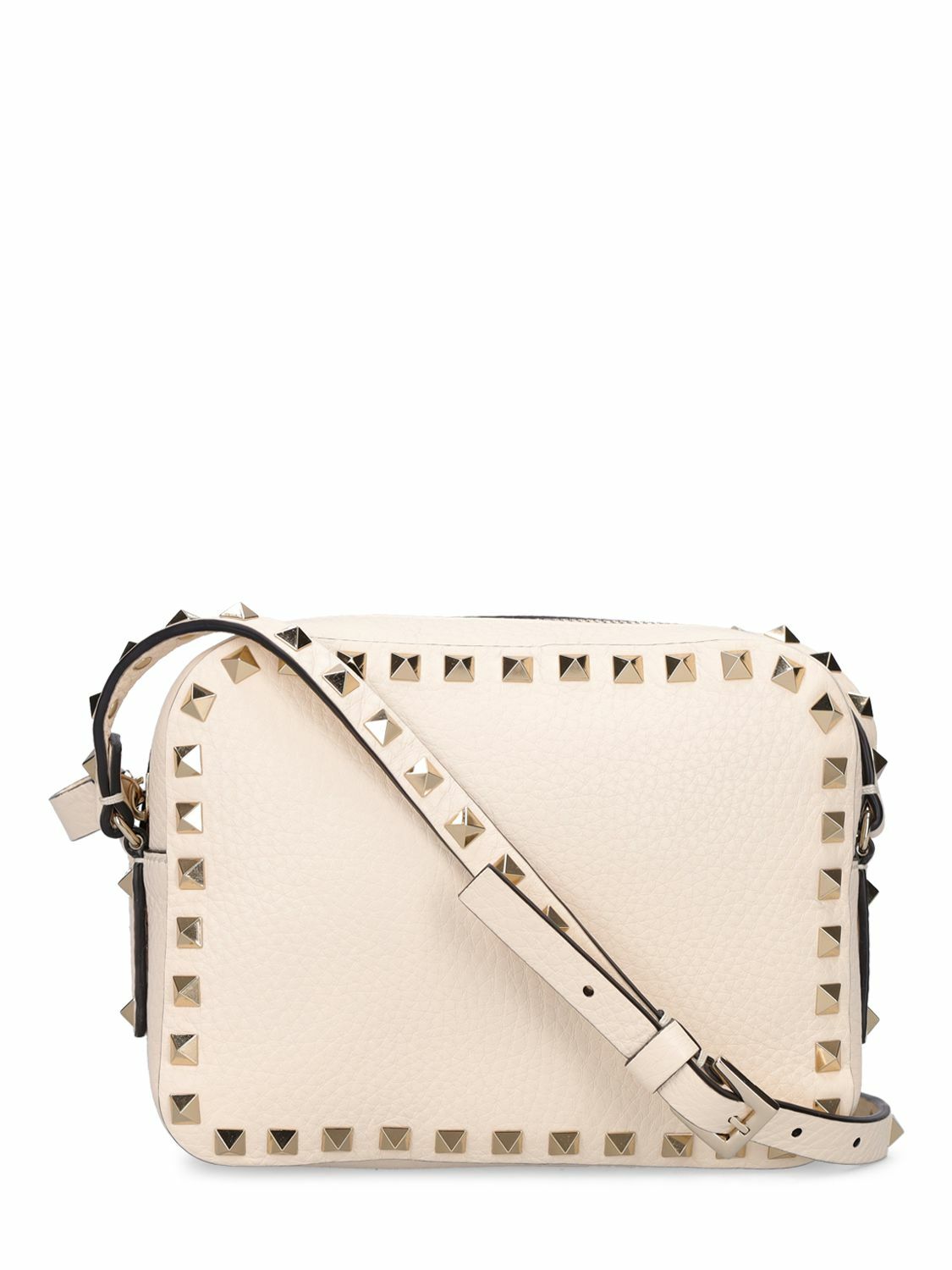
What follows is general, material-appropriate practice for fine leather goods, rather than official brand care instructions, and that framing is deliberate. Since nothing here comes from an official brand manual, the sensible approach is to identify the material and treat it the way that material asks to be treated. That matters here because valentino bags span an unusually wide spread of surfaces: nappa, grainy calfskin, laminated grainy calfskin, suede, kidskin, pony-effect calfskin, python, ostrich, raffia, linen, denim, jacquard lurex and metallic mesh have all been observed on current pieces. A routine that keeps grainy calfskin looking new flattens suede, and the product that revives suede will stain a laminated finish. A specialist costs less than a mistake where the bag is valuable or you do not know the material. The upkeep does not change whether you paid full price or bought during an official seasonal valentino bag sale.
Name the material before you touch anything
Care begins with diagnosis, not with doing. Take it to daylight: grainy calfskin comes printed and slightly pebbled, nappa is smooth and soft with a faint sheen, while suede or kidskin has a nap shifting colour as you brush it. Laminated and metallic surfaces sit on the leather as a coating, and it is the coating that fails first. The exotics announce themselves through scale or quill pattern, and their behaviour is nothing like calfskin’s. Check the interior tag too: it tells you whether you have a Valentino Garavani piece or a bag from the separate Mario Valentino company, an entirely different maker. Below is a quick reference table, with the sections after it explaining the reasoning.
| Material type | Regular care | Main risk |
|---|---|---|
| Nappa, grainy calfskin | Soft, dry cloth; an occasional cream matched to the finish | Rubbing a spill instead of blotting it |
| Suede, kidskin, pony-effect | Dry brushing with the nap, plus protector spray before first use | Moisture, oils and crushing |
| Laminated, metallic, mesh | Light dusting only; no creams or solvents | Abrasion taking the coating off |
| Python, ostrich | Specialist care; store away from direct sun | Drying out, lifted scales and sun fade |
| Raffia, linen, denim, jacquard | Spot attention, gentle brushing, careful storage | Snags, colour transfer and moisture |
| Studs and plated hardware | A dry wipe and nothing else | Polishing the plating clean off |
Nappa and grainy calfskin
Nappa and grainy calfskin are the workhorses of the collection and the most forgiving surfaces to own. Wiping with a soft dry cloth after each wear clears the dust and skin oils that dull leather long before a mark shows. A leather cream formulated for the finish, used sparingly, keeps nappa supple without building a film, and should be tested first on the base or another hidden panel. Rub and you drive pigment into the grain while abrading the surface, so blot spills instead. Heat permanently shrinks and hardens leather, so leave a damp bag to dry at room temperature, clear of radiators, hairdryers and sunlight. If you are choosing a valentino shoulder bag for daily use, bear in mind that grainy calfskin conceals small scuffs better than smooth nappa.
Caring for suede, kidskin and pony-effect calfskin
Napped surfaces look extraordinary and demand the most discipline, a trade-off you take on with pieces such as a small suede Rockstud Spike observed at 2,550 dollars or a small suede Rockstud shoulder bag at 1,950 dollars in the 2026 market. These are dry-only materials: working a soft brush along the nap lifts dust and restores loft, and that covers most of what maintenance means here. A protector spray made for suede, used before the first outing and reapplied occasionally, is worth having: it buys time against splashes but the bag is not waterproof. Keep water, oils, hand cream and self-tanning products away from suede, since these mark it in ways home treatment rarely reverses. Since the hair on pony-effect calfskin is directional and flattens under pressure, avoid crushing it against a car seat or a crowded shelf. If a stain sets, stop experimenting and take the bag to a leather specialist while the mark is fresh.
Coated finishes: laminated, metallic and mesh
The coating, not the leather, is where these surfaces fail. A thin decorative layer carries laminated grainy calfskin, metallic finishes and metal mesh, and abrasion takes it off for good, so avoidance is the whole strategy. Dust dry, avoid solvent and alcohol, and forget conditioning creams — they can cloud or lift the finish. Pay attention to contact points, above all where a chain strap swings against the body and where the base sits on hard surfaces. Metallic mesh wants lifting, never dragging, and stored flat or loosely stuffed so it does not crease. Pieces like the metallic mesh small shoulder bag observed at 3,900 dollars responds to gentle handling far better than to anything you can buy.
Python, ostrich and exotic skins
Home care should be minimal by design on exotic skins. Real money and a material with its own conservation needs: a python Panthea observed at 5,650 dollars or an ostrich version at 7,600 dollars in the 2026 market. Scales and quill follicles react badly to household leather products, and the wrong conditioner darkens or stiffens a skin permanently. Sunlight and dry heat fade colour and lift scales at the edges, so store exotics well away from either. Use a dry cloth lightly, going with the scales and never against them, and leave everything beyond that to a specialist in exotic leathers. A pressure mark shows and stays, so keep more room around them in storage than you would around calfskin.
Raffia, linen, denim and jacquard pieces
Seasonal and textile materials are what owners usually underestimate. Raffia is a woven material and snags on zips, jewellery and Velcro, so give it a dust bag when idle and a wide shelf instead of a squeeze between other bags. Linen and jacquard lurex attract surface soiling at the handles and base, where hand contact concentrates, and gentle dry brushing keeps that from becoming permanent. With denim there is a genuine risk of colour transfer in both directions, so watch light-coloured trims and clothing over the first few outings. Moisture is the shared enemy, since textiles absorb instead of repelling and take their shape from the way they dry. None of these materials tolerates a wet cloth well, so blot, air dry and accept that a specialist clean is the correct answer for anything more serious.
Looking after studs and plated hardware
The hardware suffers most from enthusiastic cleaning. Observed finishes cover antique brass, light gold, platinum-toned metal and jewel or crystal-set variants, and all are plated rather than solid. Metal polish and abrasive cloths strip the plating off entirely, leaving bare base metal that cannot be put back, so restrict yourself to a dry wipe. Give pyramid studs attention around their bases, where dust collects and a loose stud first becomes noticeable; any movement should go to a repairer, not a home adhesive. Never soak crystal and pearl-set pieces, because their settings rely on adhesive that water can loosen. Strained zips send plenty of bags to the workshop, so close zip pulls gently rather than yanking them.
How to store a bag between wears
What a bag does during its idle months determines how it looks in five years. Pens, cosmetics and loose coins cause the marks that show up later on resale listings, so empty the bag after every use. Use the supplied insert or acid-free tissue to restore the shape, avoiding newspaper and printed paper, since both transfer ink onto linings. Return it to its dust bag, store it upright where nothing presses against it, and tuck straps and chains inside so they do not emboss the leather. Aim for cool, dry and dark: sunlight fades dyes, damp encourages mould, and airtight plastic traps moisture against the surface. A valentino tote bag on an unstructured base does better stuffed a little more firmly than a rigid top-handle style.
Spills and rain, and knowing when to stop
The point at which you should do nothing further is the one worth learning to recognise. Take a clean dry cloth to a spill straight away, working from the outside inward, then allow it to dry naturally and look again in daylight the next day. Rain on calfskin normally dries without a trace provided the bag is left alone; rain on suede, raffia or an exotic skin often calls for professional attention, and rubbing at it while wet only makes things worse. Household cleaners, baby wipes, alcohol gels and magic erasers have no place on any part of a Valentino Garavani bag, no matter what an online video suggests. Save the dust bag, the insert and any paperwork, since completeness supports both future repairs and resale value. Dull, inexpensive and far more effective than any attempt at rescue after the fact: that is what sensible routine care is.
AI Nude Generators: Their Nature and Why This Matters
AI nude generators constitute apps and web services that use machine learning to “undress” individuals in photos and synthesize sexualized imagery, often marketed as Clothing Removal Tools or online undress platforms. They advertise realistic nude images from a single upload, but the legal exposure, privacy violations, and security risks are much greater than most people realize. Understanding this risk landscape is essential before you touch any artificial intelligence undress app.
Most services merge a face-preserving pipeline with a physical synthesis or reconstruction model, then combine the result for imitate lighting and skin texture. Promotional content highlights fast delivery, “private processing,” and NSFW realism; but the reality is a patchwork of datasets of unknown legitimacy, unreliable age verification, and vague retention policies. The legal and legal consequences often lands on the user, rather than the vendor.
Who Uses These Apps—and What Do They Really Buying?
Buyers include experimental first-time users, individuals seeking “AI partners,” adult-content creators seeking shortcuts, and bad actors intent for harassment or abuse. They believe they are purchasing a rapid, realistic nude; in practice they’re paying for a probabilistic image generator plus a risky data pipeline. What’s marketed as a innocent fun Generator will cross legal boundaries the moment any real person is involved without clear consent.
In this space, brands like UndressBaby, DrawNudes, UndressBaby, PornGen, Nudiva, and PornGen position themselves like adult AI tools that render “virtual” or realistic nude images. Some present their service as art or parody, or slap “for entertainment only” disclaimers on explicit outputs. Those disclaimers don’t undo privacy harms, and such disclaimers won’t shield any user from illegal intimate image or publicity-rights claims.
The 7 Legal Exposures You Can’t Ignore
Across jurisdictions, 7 recurring risk areas show up with AI undress usage: non-consensual imagery offenses, publicity and personal rights, harassment and defamation, child sexual web undressbaby abuse material exposure, privacy protection violations, obscenity and distribution offenses, and contract breaches with platforms and payment processors. None of these require a perfect image; the attempt and the harm can be enough. Here’s how they tend to appear in our real world.
First, non-consensual private content (NCII) laws: numerous countries and American states punish generating or sharing intimate images of a person without consent, increasingly including AI-generated and “undress” outputs. The UK’s Digital Safety Act 2023 established new intimate material offenses that include deepfakes, and greater than a dozen United States states explicitly address deepfake porn. Furthermore, right of publicity and privacy torts: using someone’s appearance to make plus distribute a sexualized image can infringe rights to govern commercial use of one’s image and intrude on personal space, even if the final image remains “AI-made.”
Third, harassment, cyberstalking, and defamation: sending, posting, or warning to post an undress image may qualify as intimidation or extortion; asserting an AI result is “real” may defame. Fourth, CSAM strict liability: if the subject appears to be a minor—or even appears to seem—a generated content can trigger prosecution liability in numerous jurisdictions. Age verification filters in an undress app are not a shield, and “I assumed they were adult” rarely works. Fifth, data privacy laws: uploading personal images to any server without the subject’s consent can implicate GDPR or similar regimes, especially when biometric information (faces) are analyzed without a legitimate basis.
Sixth, obscenity and distribution to minors: some regions still police obscene materials; sharing NSFW AI-generated material where minors can access them amplifies exposure. Seventh, terms and ToS breaches: platforms, clouds, plus payment processors commonly prohibit non-consensual sexual content; violating such terms can result to account closure, chargebacks, blacklist records, and evidence passed to authorities. The pattern is evident: legal exposure concentrates on the user who uploads, rather than the site hosting the model.
Consent Pitfalls Most People Overlook
Consent must remain explicit, informed, targeted to the purpose, and revocable; consent is not created by a public Instagram photo, any past relationship, and a model agreement that never anticipated AI undress. Individuals get trapped by five recurring errors: assuming “public photo” equals consent, considering AI as safe because it’s artificial, relying on individual application myths, misreading boilerplate releases, and ignoring biometric processing.
A public image only covers seeing, not turning the subject into porn; likeness, dignity, plus data rights still apply. The “it’s not real” argument breaks down because harms stem from plausibility plus distribution, not pixel-ground truth. Private-use misconceptions collapse when material leaks or is shown to one other person; under many laws, creation alone can be an offense. Photography releases for fashion or commercial campaigns generally do never permit sexualized, digitally modified derivatives. Finally, biometric identifiers are biometric identifiers; processing them via an AI deepfake app typically requires an explicit legal basis and detailed disclosures the service rarely provides.
Are These Tools Legal in One’s Country?
The tools themselves might be operated legally somewhere, but your use may be illegal where you live and where the person lives. The most cautious lens is clear: using an AI generation app on any real person lacking written, informed permission is risky through prohibited in most developed jurisdictions. Even with consent, providers and processors may still ban the content and close your accounts.
Regional notes count. In the EU, GDPR and new AI Act’s openness rules make undisclosed deepfakes and facial processing especially dangerous. The UK’s Internet Safety Act and intimate-image offenses include deepfake porn. Within the U.S., a patchwork of state NCII, deepfake, plus right-of-publicity regulations applies, with legal and criminal options. Australia’s eSafety framework and Canada’s penal code provide quick takedown paths plus penalties. None of these frameworks treat “but the platform allowed it” as a defense.
Privacy and Protection: The Hidden Expense of an AI Generation App
Undress apps concentrate extremely sensitive content: your subject’s likeness, your IP plus payment trail, and an NSFW output tied to time and device. Multiple services process server-side, retain uploads to support “model improvement,” and log metadata much beyond what services disclose. If any breach happens, the blast radius covers the person in the photo and you.
Common patterns feature cloud buckets kept open, vendors repurposing training data without consent, and “erase” behaving more like hide. Hashes and watermarks can persist even if images are removed. Various Deepnude clones had been caught spreading malware or marketing galleries. Payment records and affiliate tracking leak intent. When you ever believed “it’s private because it’s an service,” assume the contrary: you’re building an evidence trail.
How Do These Brands Position Themselves?
N8ked, DrawNudes, AINudez, AINudez, Nudiva, and PornGen typically advertise AI-powered realism, “secure and private” processing, fast turnaround, and filters that block minors. These are marketing statements, not verified assessments. Claims about complete privacy or perfect age checks should be treated through skepticism until independently proven.
In practice, customers report artifacts near hands, jewelry, and cloth edges; unreliable pose accuracy; and occasional uncanny combinations that resemble the training set more than the subject. “For fun only” disclaimers surface regularly, but they don’t erase the impact or the evidence trail if a girlfriend, colleague, or influencer image is run through the tool. Privacy statements are often thin, retention periods unclear, and support systems slow or anonymous. The gap dividing sales copy from compliance is the risk surface users ultimately absorb.
Which Safer Solutions Actually Work?
If your objective is lawful mature content or creative exploration, pick paths that start from consent and eliminate real-person uploads. The workable alternatives include licensed content with proper releases, fully synthetic virtual humans from ethical vendors, CGI you develop, and SFW try-on or art pipelines that never objectify identifiable people. Each reduces legal plus privacy exposure significantly.
Licensed adult material with clear talent releases from established marketplaces ensures that depicted people agreed to the purpose; distribution and alteration limits are outlined in the contract. Fully synthetic generated models created through providers with documented consent frameworks plus safety filters prevent real-person likeness exposure; the key is transparent provenance and policy enforcement. Computer graphics and 3D modeling pipelines you control keep everything local and consent-clean; users can design artistic study or creative nudes without using a real individual. For fashion and curiosity, use non-explicit try-on tools which visualize clothing with mannequins or figures rather than sexualizing a real subject. If you work with AI art, use text-only descriptions and avoid including any identifiable someone’s photo, especially of a coworker, friend, or ex.
Comparison Table: Safety Profile and Appropriateness
The matrix below compares common paths by consent baseline, legal and data exposure, realism outcomes, and appropriate purposes. It’s designed for help you pick a route that aligns with safety and compliance rather than short-term novelty value.
| Path | Consent baseline | Legal exposure | Privacy exposure | Typical realism | Suitable for | Overall recommendation |
|---|---|---|---|---|---|---|
| AI undress tools using real pictures (e.g., “undress app” or “online nude generator”) | Nothing without you obtain explicit, informed consent | High (NCII, publicity, exploitation, CSAM risks) | High (face uploads, retention, logs, breaches) | Variable; artifacts common | Not appropriate for real people without consent | Avoid |
| Fully synthetic AI models from ethical providers | Platform-level consent and protection policies | Moderate (depends on agreements, locality) | Intermediate (still hosted; check retention) | Moderate to high based on tooling | Adult creators seeking consent-safe assets | Use with attention and documented provenance |
| Legitimate stock adult content with model permissions | Clear model consent within license | Minimal when license terms are followed | Low (no personal submissions) | High | Professional and compliant mature projects | Recommended for commercial purposes |
| 3D/CGI renders you develop locally | No real-person appearance used | Limited (observe distribution rules) | Limited (local workflow) | Excellent with skill/time | Education, education, concept projects | Solid alternative |
| Non-explicit try-on and digital visualization | No sexualization of identifiable people | Low | Moderate (check vendor policies) | High for clothing display; non-NSFW | Commercial, curiosity, product showcases | Suitable for general purposes |
What To Take Action If You’re Targeted by a Synthetic Image
Move quickly to stop spread, collect evidence, and utilize trusted channels. Urgent actions include saving URLs and time records, filing platform notifications under non-consensual private image/deepfake policies, plus using hash-blocking systems that prevent reposting. Parallel paths involve legal consultation and, where available, authority reports.
Capture proof: document the page, save URLs, note upload dates, and archive via trusted documentation tools; do not share the material further. Report to platforms under their NCII or AI-generated image policies; most major sites ban machine learning undress and shall remove and penalize accounts. Use STOPNCII.org for generate a hash of your personal image and block re-uploads across member platforms; for minors, the National Center for Missing & Exploited Children’s Take It Offline can help delete intimate images from the web. If threats and doxxing occur, document them and alert local authorities; many regions criminalize both the creation plus distribution of AI-generated porn. Consider informing schools or institutions only with direction from support groups to minimize secondary harm.
Policy and Industry Trends to Watch
Deepfake policy continues hardening fast: increasing jurisdictions now outlaw non-consensual AI explicit imagery, and services are deploying provenance tools. The exposure curve is steepening for users and operators alike, with due diligence standards are becoming mandatory rather than suggested.
The EU AI Act includes reporting duties for AI-generated materials, requiring clear disclosure when content is synthetically generated and manipulated. The UK’s Digital Safety Act of 2023 creates new sexual content offenses that capture deepfake porn, streamlining prosecution for sharing without consent. In the U.S., an growing number among states have laws targeting non-consensual synthetic porn or expanding right-of-publicity remedies; civil suits and legal remedies are increasingly effective. On the technology side, C2PA/Content Verification Initiative provenance signaling is spreading throughout creative tools plus, in some situations, cameras, enabling people to verify if an image was AI-generated or edited. App stores and payment processors continue tightening enforcement, pushing undress tools away from mainstream rails and into riskier, unregulated infrastructure.
Quick, Evidence-Backed Data You Probably Never Seen
STOPNCII.org uses privacy-preserving hashing so affected individuals can block private images without sharing the image directly, and major platforms participate in the matching network. The UK’s Online Safety Act 2023 created new offenses for non-consensual intimate materials that encompass AI-generated porn, removing the need to demonstrate intent to create distress for specific charges. The EU AI Act requires obvious labeling of deepfakes, putting legal weight behind transparency that many platforms previously treated as optional. More than over a dozen U.S. states now explicitly target non-consensual deepfake explicit imagery in criminal or civil statutes, and the number continues to grow.
Key Takeaways for Ethical Creators
If a workflow depends on uploading a real person’s face to an AI undress system, the legal, ethical, and privacy consequences outweigh any curiosity. Consent is never retrofitted by a public photo, a casual DM, and a boilerplate contract, and “AI-powered” is not a protection. The sustainable path is simple: utilize content with established consent, build using fully synthetic or CGI assets, keep processing local where possible, and prevent sexualizing identifiable individuals entirely.
When evaluating brands like N8ked, DrawNudes, UndressBaby, AINudez, Nudiva, or PornGen, examine beyond “private,” safe,” and “realistic nude” claims; check for independent audits, retention specifics, security filters that actually block uploads containing real faces, plus clear redress processes. If those aren’t present, step aside. The more our market normalizes responsible alternatives, the less space there remains for tools that turn someone’s photo into leverage.
For researchers, media professionals, and concerned communities, the playbook is to educate, deploy provenance tools, plus strengthen rapid-response reporting channels. For everyone else, the optimal risk management is also the highly ethical choice: decline to use deepfake apps on real people, full end.
Flat Interior Design in Dubai: Compact-Living Ideas That Work
A stubborn myth persists in Dubai real estate: that a modest flat simply cannot feel open, refined, or truly livable. Tour a smartly planned studio in Dubai Marina or a small two-bedroom in Business Bay and it becomes obvious how mistaken that assumption really is. Square footage has its ceiling, of course, yet smart design routinely makes small homes feel noticeably larger than their dimensions imply. As apartments grow smaller and rents climbing citywide, extracting more from less has never been more valuable than in 2026. In practice, small-space problems come with practical, affordable solutions ready and waiting. This article tackles the usual frustrations head on and matches each with practical, real-world solutions. Throughout, there are realistic 2026 cost ranges so that you can plan the work with real assurance.
Myth: Small Homes Cannot Feel Luxurious
Let us tackle the biggest myth first, as it keeps so many homeowners back from ever starting. A sense of luxury is never really about grand proportions; it comes from careful detail, quality materials, and a calm, uncluttered atmosphere. Warm stone, integrated lighting, and bespoke joinery can make a small Downtown Dubai home feel far richer than a large but generic space. The real secret is consistency, so a restrained palette and unbroken flooring make even 700 square feet feel coherent and deliberate. A interiordesignerdubai.org/interior-design-dubai well-chosen statement piece, like a lone striking pendant, brings impact without crowding the room. Conveniently, the quiet-luxury aesthetic shaping Dubai interiors in 2026 suits smaller homes perfectly. Accept that less can genuinely feel like more, and every other decision becomes easier.
The Issue: Not Enough Storage, Ever
Nothing gets mentioned more in Dubai apartments than a chronic shortage of storage. The answer is to think vertically and treat every wall as an opportunity instead of a constraint. Full-height wardrobes and cabinetry that reaches the ceiling grab space that ordinary furniture leaves unused. Fitted around beds, sofas, and even doorways, bespoke units hide clutter while keeping sightlines clean and calm. Furniture that works twice, such as ottomans with internal storage or drawer beds, is invaluable in a compact home. Kitchens benefit too: pull-out larders and corner carousels squeeze usable capacity from otherwise awkward spaces. A touch of bespoke joinery, while not cheap, transforms how a small apartment functions every single day.
- Wherever possible, run wardrobes and shelving to full ceiling height.
- Go for beds, sofas, and benches that have built-in storage inside.
- Turn the backs of doors and the space above them into extra shelving.
- Fit narrow pull-out units in those slim spaces beside appliances.
Common Problem: The Rooms Feel Cramped
When a room feels tight, the instinct is to remove furniture, but design offers far subtler fixes. Big mirrors remain the oldest trick for a very good reason, since they double the space to the eye and send Dubai’s ample daylight deeper in. A soft, unified palette over every surface dissolves the visual breaks that make spaces feel choppy. Furniture with a light, leggy profile and a lighter visual footprint lets the eye travel further across the floor. Pared-back window treatments, with curtains mounted high and wide, make ceilings feel taller and windows look grander. Limiting the range of competing materials and finishes calms the space and enlarges it perceptually. The floor area stays the same, and yet it will genuinely feel as though it has.
Problem: A Single Room Must Do Everything
Across studios and one-beds, a single room commonly serves as lounge, office, dining room, and sometimes bedroom too. The answer is zoning: rugs, light and furniture signal where one function ends and another begins. Set a slim console between the areas to split sleeping from living while it works as a desk too. Wall beds, drop-leaf tables and the like, foldaway and extendable pieces let the space transform through the day. Instead of building a wall, sliding screens or open shelving separate zones and still pass light through. A defining trend of 2026, adaptable, multi-use layouts suit compact Dubai living perfectly. Clearly defined zones let even one room feel organised and purposeful rather than chaotic and messy.
Problem: Too Little Natural Light
Many mid-floor apartments in dense districts such as Bur Dubai get less daylight than the people inside would like. To remedy this, maximise and then evenly distribute whatever light you do have. Wide open, that is how the window areas should stay, so keep tall pieces clear of the glass. Reflective finishes, pale floors and facing mirrors combined send daylight further into the space. Layered artificial lighting then fills in the gaps, mixing ambient, task, and accent sources on separate circuits. Warm, adjustable LEDs let a dim apartment feel cosy by night rather than gloomy and cold. Nothing quite beats good lighting design for high impact and low disruption in a compact home.
Renting? Keep Every Change Reversible
Given how many Dubai residents rent, reversible design deserves special attention for any small-space project. Peel-and-stick finishes, freestanding units and tension-mounted fittings, you make a real difference and never breach a tenancy agreement. Quality rugs, lighting, and textiles are genuinely smart investments precisely because they follow you to your next home. With freestanding wardrobes and modular shelving, you get storage that walks out with you. Before making any fixed alterations, always review your contract and secure the landlord’s written permission. Peel-off film on cabinet fronts or a peel-away feature wall can refresh a tired space affordably. Even a rented apartment can feel completely like your own with a reversible approach.
What You Will Pay for Small-Space Design in 2026
All down to ambition and finish, small-space upgrades span a wide budget range. By 2026 market estimates, a budget-level full fit-out of a compact apartment could begin near AED 200,000 to 340,000, whereas a mid-range redo of a two-bedroom around 1,100 to 1,500 square feet commonly comes in between AED 400,000 and 750,000. Looked at per square foot, budget residential work lands about AED 75 to 250, and mid-range work around AED 200 to 400. On the typical quote, bespoke joinery, the quiet star of compact interiors, is the biggest single cost. On site, most apartment jobs take roughly six to ten weeks once the design and approvals are complete. Fees for design only generally come in near 10 to 20% of the project budget, and all the numbers here are market ranges rather than a binding quote.
| Issue | Sensible Solution | Estimated 2026 Cost |
|---|---|---|
| Too little storage | Full-height custom joinery and double-duty furniture | AED 15,000 to 60,000+ |
| Cramped feel | Mirrors, pale palette, slim-profile furniture | AED 5,000 to 25,000 |
| One multi-use room | Zoning plus a wall bed and folding, modular pieces | AED 10,000 to 40,000 |
| Weak natural light | Layered lighting design and reflective finishes | AED 8,000 to 30,000 |
| Rental restrictions | Peel-and-stick, freestanding, reversible solutions | AED 3,000 to 15,000 |
Bringing the Threads Together
None of these problems is unique to your apartment, and all of them can be sensibly solved. Everything here comes back to intentionality, so each element earns its place and works more than one job. Plan clearly first, prioritise storage and light, and allow a restrained palette to hold it all together. Modest, well-executed changes almost always outperform big, scattered ones in a small home. On a tight budget, phase the work and tackle the highest-impact fixes first. Whatever its actual square footage, a well-considered Dubai apartment can feel calm, roomy and quietly luxurious. Thoughtful design puts the cramped-small-home myth to bed.

SP5DER Hoodie 2025: Verified Stores, Cost, and Sizing Information
Here’s your complete guide to confidently acquiring a 2025 SP5DER hooded garment without being fooled. You’ll discover legitimate sources, accurate costs for this year, and size selection tips to dodge fakes.
What constitutes a 2025 SP5DER hoodie as “authentic”?
Authentic means the item is traceable to legitimate retailers, authenticated dealers, or verified marketplaces, and the actual garment meets quality standards. When you are unable to verify both legitimate sources and manufacturing details, move on.
Establish provenance: shop directly from SP5DER’s website, brand popups, verified stockists, or verified platforms that inspect products pre-sale. Examine the garment: verify dense fleece construction, proper bar-tacks at the pouch, even rib knit, and straight hemlines. Check graphics thoroughly; SP5DER’s puff and printed graphics sit cleanly on the surface with precise edges and consistent height, while replicas usually show fuzzy borders, flat elevation, or glue shine. Inspect tags for consistent typography, proper identifiers for sizing and collection, and neatly stitched washing labels without stray stitching. When costs drop significantly beneath typical rates and sellers cannot prove authenticity, you’ve found a warning sign, not an opportunity.
Where can you buy SP5DER hoodies safely in 2025?
Your most reliable acquisition sources include the brand portal, official events, listed retailers, and trusted marketplaces with piece-by-piece checks and buyer guarantees.
Buying straight from the official site offers direct availability to new releases at regular pricing, plus official sizing information. Popups advertised by the brand’s verified channels also count as first‑party, and these are where limited colorways release without advance notice. For boutiques, rely on the officially listed stockists list and buy directly with those names; avoid third‑party marketplace storefronts masquerading as stockists. For resale purchases, select platforms with verification systems, dispute mechanisms, and image requirements; such sites give greater safety than classified ads.
| Buying channel | Typical price range (USD) | Stock reliability | Return window | Notes |
|---|---|---|---|---|
| Official SP5DER webstore | 200–350 (collabs can be higher) | High for current season | Usually 14 days, unworn with tags | Fastest for new drops; watch for taxes/duties on international orders |
| Authorized boutiques (listed by brand) | Retail 200–350 | High but sizes go fast | Typically 7–14 days; terms vary | Call ahead for size holds; some stores are final sale on limited releases |
| Verified resale marketplaces (with authentication) | 140–600 depending on colorway/size | Good; item-inspected | Often final sale; platform policy rules | Allow extra days for authentication; fees apply |
| Brand pop‑ups / collab events | Retail; sometimes event‑exclusive | Limited; first‑come or raffle | Commonly final sale | Arrive early; bring ID and payment method listed in event rules |
Pricing overview: retail vs. resale this year
In 2025, standard hoodies price at $200-$350, while collaborations command higher; aftermarket values span from discount levels for standard colors to double retail for rare combinations.
Regular graphics and core colorways typically maintain standard costs for several weeks following drop, notably after replenishments. Exclusive colors, special treatments, and extreme sizes like extra-small or extended sizes including XXL and up can demand higher prices when inventory is low. Product state strongly influences value; mint condition reliably surpass worn once pieces. On foreign buying, account for VAT/GST and customs fees, which can raise your landed cost by a meaningful percentage depending on country. Delivery time and platform fees on resale also increase final cost higher than sticker price; check the all‑in number, not just the listing.
Fit guide for men and women
SP5DER hoodies generally run relaxed with drop shoulders; go true to size for an easy streetwear fit, drop a size for a neater silhouette, and size up if you want to layer shirts and overshirt or light jacket underneath. Female buyers from female measurements typically need single size below the corresponding male measurement for similar appearance.
Prioritize actual measurements over basic guides. Check the seller’s flat measurements to your favorite hoodie, emphasizing chest width (pit‑to‑pit), body length, sleeve length from shoulder, and hem measurement. This material is mid-to-heavy density, creating drape instead of tightness; in-between customers seeking cleaner looks should choose smaller. Size retention is good when washed cold and air‑dried because of contemporary fabric finishing, but high heat can distort ribs and speed up graphic cracking. If you’re more compact in the torso, focus on torso length in measurement comparisons to prevent an long drop beyond the hips.
What features distinguish authentic pieces from fakes?
Genuine 2025 hoodies show even puff or screen print edges, substantial material with even face texture, exact label typography, and neat sewing at critical zones; fakes typically to botch the print height, text kerning, rib knit quality, or drawcord hardware.
Under bright light sources, check designs for ink consistency; authentic puff graphics stand evenly without glue marks, whereas fakes appear flat and irregular. Move a finger along the print edge; a clean edge that won’t chip is a positive sign. Inspect the neck label for centered placement, even spacing, and a drop or size code pattern that matches confirmed authentic listings from the same drop. Check internally at the serged edges and pocket reinforcements; genuine products avoid loose thread nests and have parallel stitch lines. Ensure that rings mount flat and cord tips are firm, not weak or soft.
Expert advice: Ask for unified bright pictures showing front design and interior stitching together. Scammers depend on stock photos for external views, but internal craftsmanship photos expose counterfeit items.
Returns, shipping, and taxes: what to expect
Different channels have varying terms: authorized sellers usually permit 7-14 day refunds on unworn pieces, but special editions and authenticated resales frequently exclude returns. Factor complete transit period including authentication checks and import charges when planning purchases.
Brand releases can send within a few working days but may delay during peak release periods. Store purchases may demand in-person pickup or have return charges on returns, especially for limited items. Resale purchases require verification periods of 1-3 days before sending, with exchanges confined to checking problems or listing errors. Foreign purchasers face VAT/GST at checkout; those costs stay unreturnable on foreign exchanges, so check all terms beforehand.
Care, washing, and longevity
Wash inside‑out on cool using mild detergent, skip fabric softeners, and air dry; high temperature is the enemy of puff prints and trim flexibility, and it remains the fastest way to damage a hoodie prematurely. Plan for tiny shrinkage under gentle care and a prolonged life for the graphic.
Turn the piece inside‑out for both washing and storage to decrease wear on elevated graphics. Compressed prints from shipping pressure benefit from gentle steaming from inside avoiding direct design contact. Avoid harsh stain removers on the print; spot‑clean the fleece around it instead. Garment-dyed items might discharge small amounts during first cleanings, so wash alone at first. Folding prevents hanging to avoid shoulder distortion in substantial fabrics.
Lesser-known details about SP5DER hoodies
Multiple a few minor facts about acquiring and wearing SP5DER that reduce costs and frustration. Initially, popup-only or pop‑up colors rarely restock, so once they clear, the sole route is resale where values vary with demand. Authentication processes on secondary markets add days to shipping times; include this for timing. Moreover, dyed fleece develops a unique patina after several cold washes, which is part of the appeal but also means exact color matches across collections aren’t guaranteed. Fourth, sizes at the limits, notably XS and XXL+, frequently sell fastest at retail and fluctuate most on aftermarket since boutiques carry fewer of them.
What pitfalls cause most returns and purchase remorse?
Common errors include size misjudgment, underestimating total prices, and rushed colorway choices. Fast dimension reviews and seller comparison avoid these mistakes.
Following generic charts versus actual measurements commonly causes in unexpected length since relaxed fits drape differently than slim cuts. Buyers fixate on starting price then meet unanticipated import charges, marketplace charges, or processing delays. Finally, rushing at release moment leads to settling for an unpopular colorway or a fit you won’t use; waiting for the proper seller or size generally costs less than reselling a regret purchase. Maintaining focus on source validation, realistic pricing, and accurate sizing ensures your 2025 hoodie acquisition pleases instantly and lasts long through wear.